Fine motor skills play an essential role in everyday life. For instance, they are necessary for buttoning shirts, utensils, and fastening buttons. Fine motor skills are also crucial for handwriting, artwork, and other types of creative expression. So many things we do at work or everyday routine that require fine motor skills. That’s why developing these skills early on is vital for children to succeed during school and their future careers.
This article will review what fine motor skills are and how they are developed. We will also list the best and easiest way to develop fine motor skills using various equipment.
What are Fine Motor Skills?
Fine Motor Skills are defined as the abilities that allow a person to use small muscles in the hands and arms to manipulate objects such as playing an instrument, writing, or tying shoes. It helps in performing tasks such as tying shoelaces, washing dishes, or brushing teeth.
Fine motor skills begin to develop when a kid uses the smaller muscles in their fingers, hands, wrists, toes, and feet. Developing muscles include actions like holding, grasping, or pressing.
For children in preschool, it is extremely important to develop these skills because it will help them with a lot of tasks later on in life. As a parent, you must dedicate your time to your child to develop these skills. You can use a lot of simple techniques to help your kid gain this skill.
Reasons Why Fine Motor Skills Are So Important

Fine motor skills are one important skill that every child should develop. Fine motor is necessary for everyday living, learning, and growing. The use of fine motor skills like grasping a pencil and drawing or holding small toys help a child to acquire new skills. Below are the other reasons why it is important for a kid to develop these skills:
- Development of hand-eye coordination: Developing fine motor skills will help make your child develop hand-to-eye coordination. Hand-eye coordination is very important in many activities such as catching a baseball, playing musical instruments, and even typing. Well-developed hand-to-eye coordination will greatly help your kid better at any sports or career that requires eyesight as well as handling small objects.
- Learning how to do things yourself: Learning how to perform tasks like buttoning shirts and tying shoes requires fine motor skills. Suppose you want your little one to develop independence, teach them how to do things themselves. Learning new things early on can help your kid in the future.
- Using various objects daily: As children grow older, they should learn to use tableware and other important objects around their house such as a telephone or a computer. Fine motor skills are very helpful in handling different kinds of objects needed in daily activities. As kids grow from preschool learners into grade school students, they should also develop this skill as they continue their education.
The Ultimate List of 40 Fine Motor Skills Activities for Toddlers and Preschoolers
In Baby Steps Preschool, we make sure that each of our students develops their fine motor skills. Our teachers slowly introduce new materials and aids to help kids grasp the concepts. We dedicate a lot of time to this because it is important for kids to develop these skills as early on as possible. We understand how hard it is to guide your child to learn the skill, so our goal is to help parents alleviate these challenges by providing you with valuable information you can use.
This piece has compiled a list of the best and easiest activities to help your kid develop fine motor skills. These activities are fun and enjoyable for both parents and kids.
Fine Motor Skills for 2 Year Olds (Early Toddlers)

At this age, your child is learning to use both hands together and control small objects. Focus on simple, hands-on play that strengthens grip, pinch, and coordination.
1. Do Puzzles
Choose chunky puzzles with big pieces that fit easily in little hands. This builds coordination and problem-solving while encouraging patience.
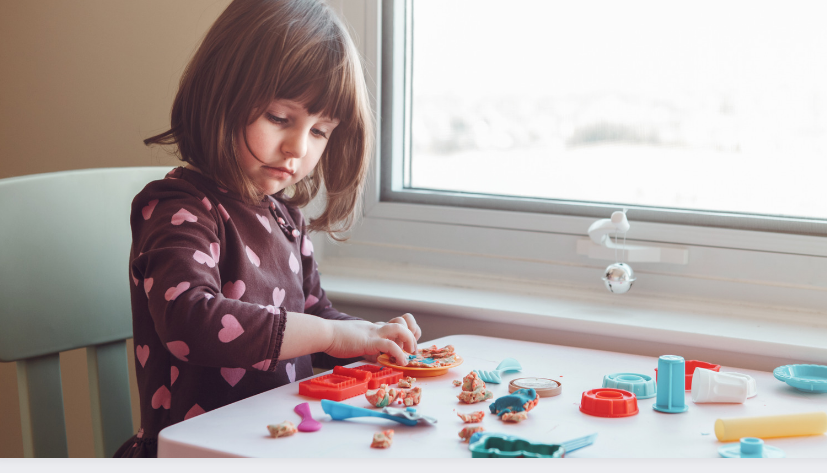
2. Make Fun with Play-Dough
Let your child roll, squeeze, and press play-dough into shapes. These hand movements strengthen small muscles needed for writing later on.
3. Draw Pictures
Give your child jumbo crayons or washable markers. Encourage scribbling and simple lines to help them learn grip and control.
4. Using Kitchen Tongs or Tweezers
Have your child pick up cotton balls or small toys using tongs. This improves hand strength and control while teaching them to focus.
5. Cut Shapes with Scissors
Start with blunt, child-safe scissors and thick paper. Practice snipping paper strips before moving to simple shapes.
6. Bath Time Play
Provide cups, sponges, and squeeze toys in the tub. Squeezing and pouring water builds hand muscles while making bath time playful.
7. Build with Blocks and Lego
Stacking and connecting blocks helps kids learn precision and grip. Encourage them to build towers, animals, or cars.
8. Sand Play
Digging, pouring, and molding sand improves grasp and coordination. Offer buckets, shovels, and molds for endless creativity.
9. Eye Dropper Tests
Fill droppers with colored water and let your child squeeze it into cups or ice cube trays. This fun “science play” enhances finger control.
10. Threading and Lacing
Use large beads or pasta with thick laces. This helps your child coordinate both hands and improves attention span.
11. Sticker Play
Let your toddler peel and stick colorful stickers onto paper. This simple act strengthens finger muscles and hand-eye coordination.
12. Finger Painting
Allow your child to explore textures with non-toxic paint. It enhances sensory skills and finger movement control.
13. Pom-Pom Sorting
Give your child pom-poms and different cups. Ask them to sort by color or size using their fingers or a spoon.
14. Velcro Toys
Use Velcro playboards or cloth books where pieces attach and detach. This teaches pulling, pressing, and precision.
15. Push and Pull Toys
Encourage your toddler to push buttons or pull levers on simple toy gadgets. It boosts fine motor skills and curiosity.
Fine Motor Skills in 3 Year Olds (Older Toddlers)

Three-year-olds are ready for more controlled hand movements and two-hand coordination. These activities encourage independence and early problem-solving.
16. Peg Boards
Let your child place pegs into holes. This activity strengthens their hand grip and develops concentration.
17. Stringing Beads
Smaller beads encourage more precise movements and help develop visual-motor coordination.
18. Tearing Paper
Tearing old magazines or tissue paper helps develop finger strength and hand stability.
19. Button Sorting
Have your child sort buttons by size or color into small containers. It encourages pincer grasp and categorization skills.
20. Clothespin Clipping
Ask your child to clip clothespins onto the edge of a box or paper plate. It improves hand strength and coordination.
21. Stacking Cups
Stacking cups encourages balance, planning, and visual-spatial awareness.
22. Opening and Closing Lids
Give your child small bottles or jars to open and close. It strengthens wrists and teaches functional hand use.
23. Finger Puppet Play
Playing with finger puppets helps kids isolate finger movement and improve coordination.
24. Sponge Squeeze Game
Soak sponges in water and let your child squeeze them out into another container. This strengthens grip and builds endurance.
25. Toy Washing Station
Set up a basin where your child can “wash” their toys with sponges, soap, and brushes. It’s playful and great for fine motor control.
26. Dot Stickers or Dot Markers
Encourage kids to fill in coloring pages with dot stickers or dot markers. It boosts focus and precision.
27. Ice Cube Tray Games
Have your child place small objects like beads or buttons into each slot using their fingers or tweezers.
28. Pincer Pickup
Use cereal pieces or small snacks for your child to pick up one by one. It develops the pincer grasp essential for writing.
29. Rolling Pins and Cookie Cutters
Give your child toy rolling pins and cutters to flatten play-dough or dough. This helps with hand pressure and bilateral coordination.
30. Threading Cheerios
Use a shoelace or string to thread Cheerios or pasta. It’s simple, tasty, and improves concentration and hand control.
Fine Motor Skills Activities for Preschoolers (Ages 4–5)

Preschoolers are refining their control, coordination, and strength. These activities prepare them for school tasks like writing, cutting, and dressing.
31. Cutting Patterns
Provide dotted-line patterns for your child to cut along. This improves accuracy and scissor skills.
32. Lego Creations
Encourage more detailed designs with smaller Lego pieces. This enhances fine control, patience, and creativity.
33. Drawing and Tracing
Have your child trace letters, shapes, or their name using markers or pencils. It builds writing readiness.
34. Using Tweezers for Sorting
Let your preschooler use tweezers to sort beads or buttons into colored cups. This promotes precision and focus.
35. Hole Punch Art
Use a paper puncher to create confetti or shapes. This strengthens hand muscles and coordination.
36. String Art
Have your child wrap yarn around cardboard shapes. It’s a creative way to build hand-eye coordination and fine control.
37. Folding Paper
Teach your child to fold paper in half or into simple shapes like airplanes. This develops visual-motor and bilateral coordination.
38. Peg and Rubber Band Boards
Stretching rubber bands around pegs to form shapes improves finger strength and planning skills.
39. Buttoning and Zipping Practice
Use old clothes or boards with zippers and buttons to help your child practice real-life dressing skills.
40. Simple Sewing or Weaving

Introduce safe, blunt needles and yarn for sewing cards or weaving paper strips through slits. It promotes patience, dexterity, and creativity.
Final Thoughts
These activities can help your child develop his fine motor skills. These are just some things you can do to help them develop the small muscles in their hands, fingers, and wrists. Keep in mind that these activities are good for your child’s development, but they won’t work overnight. It will take time for them to enhance their fine motor skills, so be patient!
Baby Steps Daycare supports you in your journey in helping your child become a well-rounded individual. We hope that this piece has helped you in your quest to improve your child’s fine motor skills. If you have further questions or concerns about this or any other matter regarding your child, you can get in touch with us, and we will be glad to assist you. Contact us today!